Tips #1
Historical Weather for the 1st Week of September
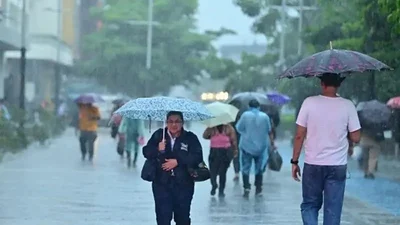
Average daytime maximum temperatures range between 29°C and 33°C (84°F - 91°F), presenting hot and mostly dry conditions.
Nights are usually mild and comfortable, with average minimum temperatures dropping to around 18°C to 20°C (64°F - 68°F).
There is a potential risk of sudden cold fronts known as "surazos", which can sharply drop daytime temperatures down to 12°C or 14°C (53°F - 57°F) accompanied by strong winds.
The probability of rain is low (around 11%), manifesting mainly as very isolated showers during wind direction shifts.
Nights are usually mild and comfortable, with average minimum temperatures dropping to around 18°C to 20°C (64°F - 68°F).
There is a potential risk of sudden cold fronts known as "surazos", which can sharply drop daytime temperatures down to 12°C or 14°C (53°F - 57°F) accompanied by strong winds.
The probability of rain is low (around 11%), manifesting mainly as very isolated showers during wind direction shifts.
Tips #2
Voltage and Electrical Connectors
The standard power supply in Santa Cruz de la Sierra is 220 volts at a frequency of 50 Hz.
The most common power outlets in hotels and event centers are compatible with Type A, Type C, and Type L plugs.
It is suggested to include a universal adapter in your hand luggage to ensure your mobile devices and computers can be charged.
The most common power outlets in hotels and event centers are compatible with Type A, Type C, and Type L plugs.
It is suggested to include a universal adapter in your hand luggage to ensure your mobile devices and computers can be charged.

Tips #3
Safe Currency Exchange
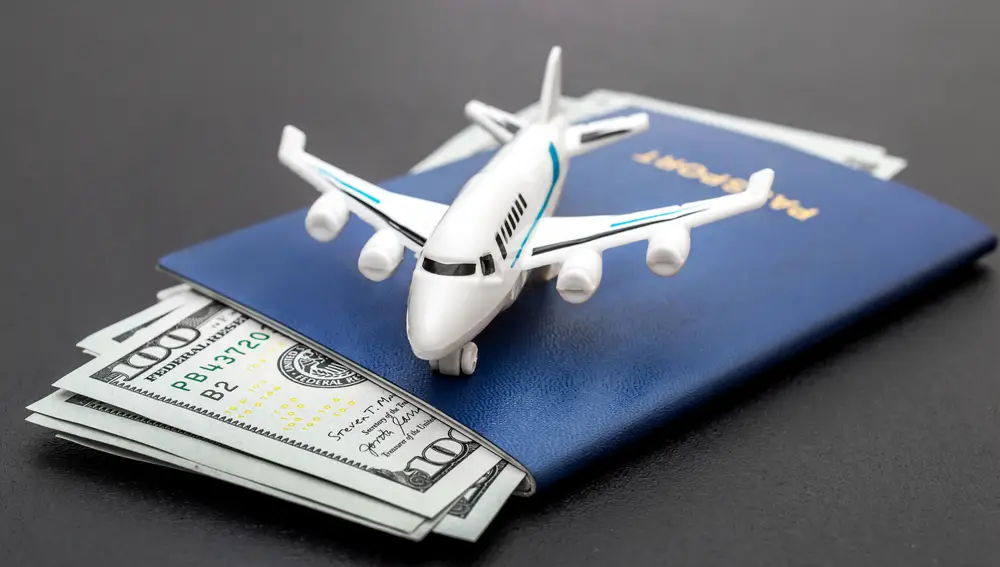
The financial market in Bolivia shows a significant gap between the official and the parallel exchange rates, the latter being much more advantageous for visitors.
Bringing US dollars or foreign currency in cash will allow you to get a significantly higher amount of local currency for your daily expenses.
Local coordinators or friends welcoming you in Santa Cruz will personally guide you to authorized and safe exchange locations in the city.
Bringing US dollars or foreign currency in cash will allow you to get a significantly higher amount of local currency for your daily expenses.
Local coordinators or friends welcoming you in Santa Cruz will personally guide you to authorized and safe exchange locations in the city.

Tips #4
Cash vs. Credit Cards
It is advised to prioritize the use of cash throughout your entire stay in the city.
The use of international credit cards should be strictly reserved for emergency situations.
Card transactions in the country are processed at the official exchange rate, which is unfavorable due to additional fees and bank rates applied in your home country.
The use of international credit cards should be strictly reserved for emergency situations.
Card transactions in the country are processed at the official exchange rate, which is unfavorable due to additional fees and bank rates applied in your home country.
Tips #5
Food and Water Consumption
Local cuisine in Santa Cruz is highly diverse and delicious, but requires certain adaptation precautions for foreigners.
You must exclusively consume bottled water and avoid ice cubes in establishments that are not certified.
This preventive measure will help avoid stomach upsets that could affect your attendance and performance at the event.
You must exclusively consume bottled water and avoid ice cubes in establishments that are not certified.
This preventive measure will help avoid stomach upsets that could affect your attendance and performance at the event.

Tips #6
Sun Protection and Repellents in the Countryside
Since the activities will take place in a rural and outdoor environment, it is essential to pack high-protection sunscreen (SPF 50 or higher) and UV-filter sunglasses.
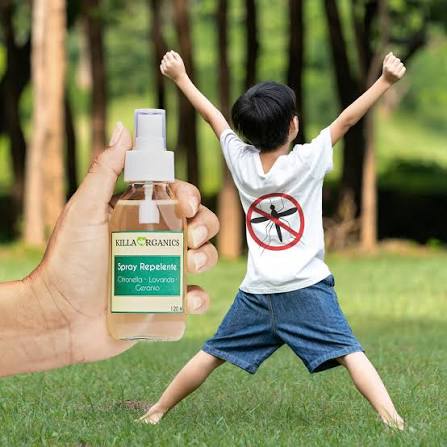
The use of mosquito and insect repellent with a high concentration of DEET is mandatory to prevent bites during the event days.
It is advised to wear lightweight long-sleeved shirts and fresh pants to minimize skin exposure to the sun and local countryside insects.
The use of mosquito and insect repellent with a high concentration of DEET is mandatory to prevent bites during the event days.
It is advised to wear lightweight long-sleeved shirts and fresh pants to minimize skin exposure to the sun and local countryside insects.
Tips #7
Vaccines and Mandatory Health Guidelines
To enter Santa Cruz, and especially when participating in countryside activities, it is highly recommended to be vaccinated against Yellow Fever.
International travelers must carry their physical or digital vaccination certificate, as health authorities may request it randomly upon entering the country or traveling to rural areas.
It is suggested to check your general vaccination schedule at least 10 days before the trip so that immunization is effective before your arrival at the event.
International travelers must carry their physical or digital vaccination certificate, as health authorities may request it randomly upon entering the country or traveling to rural areas.
It is suggested to check your general vaccination schedule at least 10 days before the trip so that immunization is effective before your arrival at the event.

Tips #8
Flight Planning and BoA Airline
It is highly recommended to purchase your airline tickets to arrive at least 1 or 2 days before the event.
The state-owned airline Boliviana de Aviación (BoA) is facing severe scheduling issues due to a shortage of aircraft, experiencing unexpected delays of up to 12 hours.
By scheduling your arrival well in advance, you will avoid missing the start of the event due to any flight disruption.
The state-owned airline Boliviana de Aviación (BoA) is facing severe scheduling issues due to a shortage of aircraft, experiencing unexpected delays of up to 12 hours.
By scheduling your arrival well in advance, you will avoid missing the start of the event due to any flight disruption.

Tips #9
Transportation and Urban Mobility
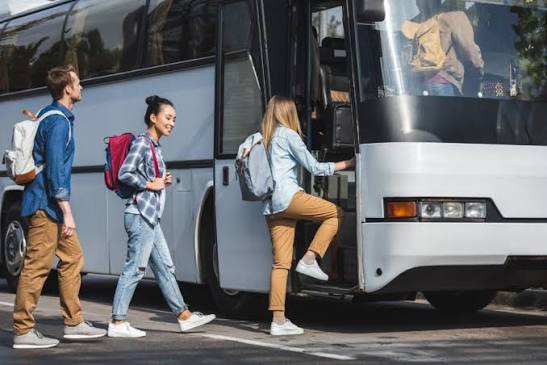
To travel from the airport or move around the city, use only regulated transportation services.
It is advised to take authorized airport taxis, which operate with fixed rates displayed on information panels.
Inside the city, ride-hailing apps such as Yango and Uber function normally and offer a safe, tracked travel alternative.
It is advised to take authorized airport taxis, which operate with fixed rates displayed on information panels.
Inside the city, ride-hailing apps such as Yango and Uber function normally and offer a safe, tracked travel alternative.
Tips #10
Delays at Viru Viru Airport
Viru Viru International Airport (VVI) is located approximately 40 minutes away from the city center.
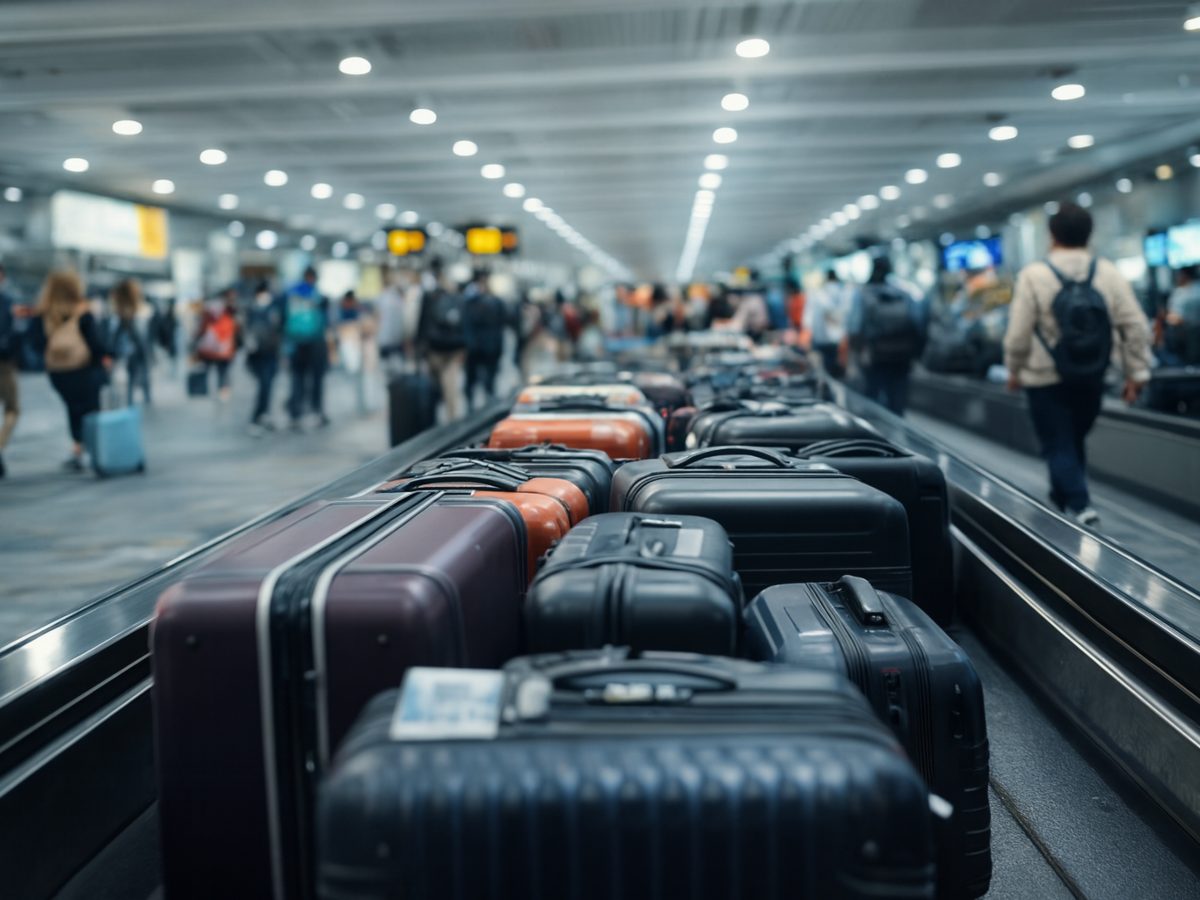
Immigration control processes and baggage screening via the random traffic light system can generate wait times between 45 and 90 minutes.
It is recommended to consider these wait times when planning your transfers or meetings scheduled immediately after landing.
Immigration control processes and baggage screening via the random traffic light system can generate wait times between 45 and 90 minutes.
It is recommended to consider these wait times when planning your transfers or meetings scheduled immediately after landing.
Tips #11
Baggage Declaration - Form 250
All international passengers are required to fill out the Baggage Declaration Form (Formulario 250) before passing through customs control.
Used personal belongings, including one cell phone, one laptop, and one camera per person, are allowed duty-free.
The import of new items for personal use is capped at a maximum value of $us 1,000; any excess will be subject to customs taxes.
Used personal belongings, including one cell phone, one laptop, and one camera per person, are allowed duty-free.
The import of new items for personal use is capped at a maximum value of $us 1,000; any excess will be subject to customs taxes.

Tips #12
Personal Medication Entry
Travelers requiring specific medical treatments must pack their medications along with their official medical prescription.
Local customs regulations restrict the entry of pharmaceutical products to a maximum of three (3) boxes or bottles per person.
Make sure to carry them in your hand luggage to avoid issues in case of baggage inspections or delays with checked bags.
Local customs regulations restrict the entry of pharmaceutical products to a maximum of three (3) boxes or bottles per person.
Make sure to carry them in your hand luggage to avoid issues in case of baggage inspections or delays with checked bags.

Tips #13
Alcohol and Tobacco Limits
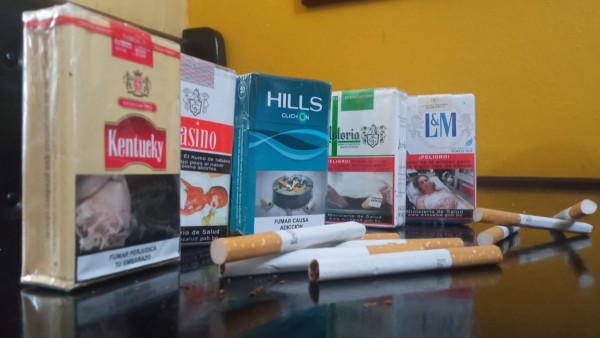
There are very strict quantity limits for bringing alcohol and tobacco products in your luggage.
Each traveler of legal age is permitted to bring a maximum of up to 3 liters of alcoholic beverages.
The allowed limit for tobacco is up to 400 cigarettes or 50 cigars per passenger; exceeding these amounts will result in customs penalties.
Each traveler of legal age is permitted to bring a maximum of up to 3 liters of alcoholic beverages.
The allowed limit for tobacco is up to 400 cigarettes or 50 cigars per passenger; exceeding these amounts will result in customs penalties.